

英文解釈ならまずはこの2冊【比良のおすすめ英語参考書シリーズ】 - 質問解決D.B.(データベース)

英文解釈ならまずはこの2冊【比良のおすすめ英語参考書シリーズ】

問題文全文(内容文):
早稲田合格塾の比良先生が、英文解釈のおすすめ参考書を紹介します。

目的別に使用する参考書を選択しましょう!

単元: #英語(高校生)#英文解釈
指導講師: Morite2 English Channel
問題文全文(内容文):
早稲田合格塾の比良先生が、英文解釈のおすすめ参考書を紹介します。

目的別に使用する参考書を選択しましょう!

投稿日:2022.08.30
<関連動画>

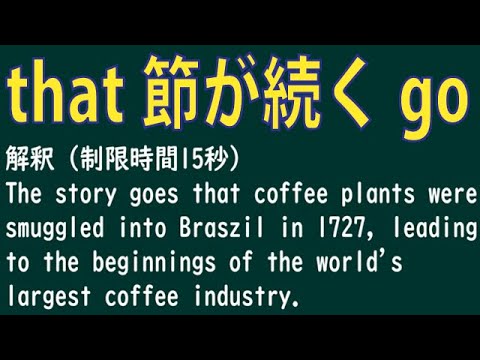
【英語】that節が続くgo同志社2022、慶應・文2019

アイキャッチ画像
単元: #英語(高校生)#英文解釈#大学入試過去問(英語)#学校別大学入試過去問解説(英語)
指導講師: 理数個別チャンネル
問題文全文(内容文):
◆The story goes that coffee plants were smuggled into Brazil in 1727, leading to the beginnings of the world's largest coffee industry.(同志社2022)
◆The story goes that Bobby, a terrier, refused to leave the Edinburgh grave of his former master―a policeman called John Gray―for no less than fourteen years.(慶應・文 2019)
この動画を見る 

【英語】that節が続くgo 同志社2022、慶應・文2019

アイキャッチ画像
単元: #英語(高校生)#英文法#会話文・イディオム・構文・英単語#英文解釈#構文#接続詞#大学入試過去問(英語)#学校別大学入試過去問解説(英語)#慶應義塾大学
指導講師: 理数個別チャンネル
問題文全文(内容文):
goの後ろにthat節が続くって知っていますか?

以下の問題文を和訳してみましょう。
◆The story goes that coffee plants were smuggled into Brazil in 1727, leading to the beginnings of the world's largest coffee industry.(同志社大学2022)
◆The story goes that Bobby, a terrier, refused to leave the Edinburgh grave of his former master―a policeman called John Gray―for no less than fourteen years.(慶應義塾大学文学部 2019)
この動画を見る 

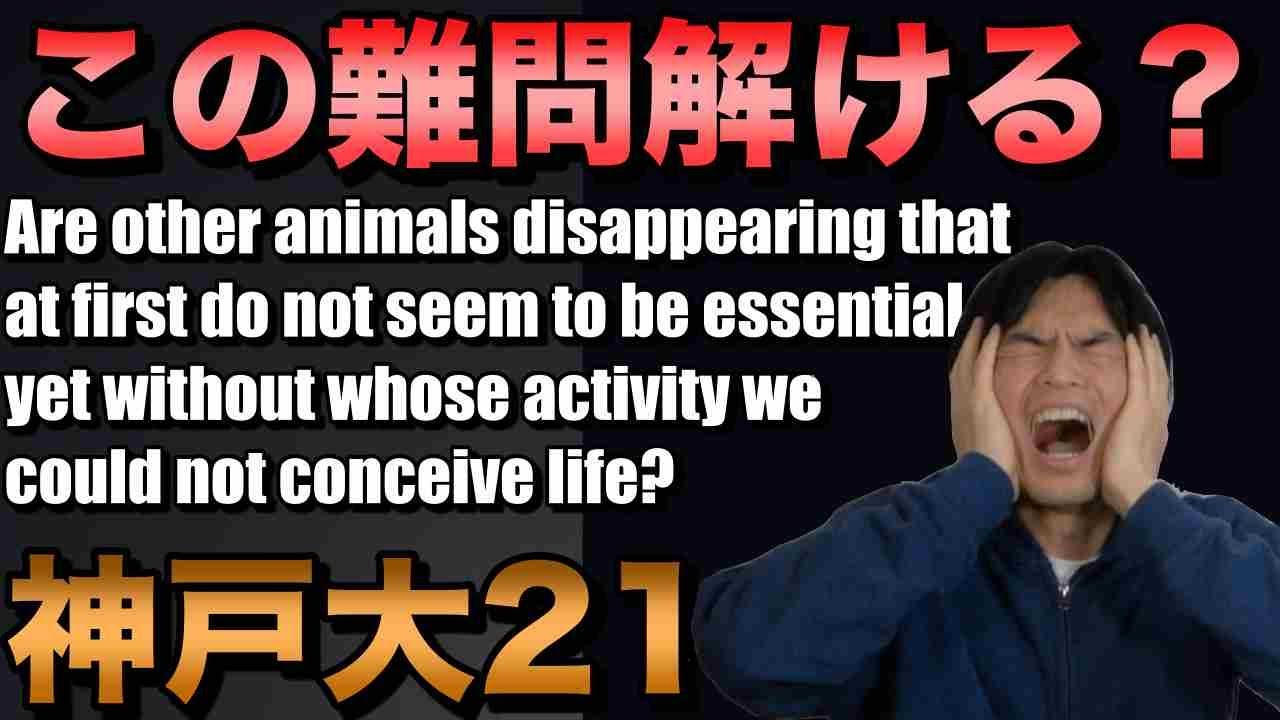
【超難解】英文解釈講座第5講【神戸大学2021】

アイキャッチ画像
単元: #英語(高校生)#英文解釈
指導講師: ユーテラ授業チャンネル【YouTubeの寺子屋】
問題文全文(内容文):
Are other animals disappearing that at first do not seem to be essential yet without whose activity we could not conceive life?(神戸大学2021年)
この動画を見る 

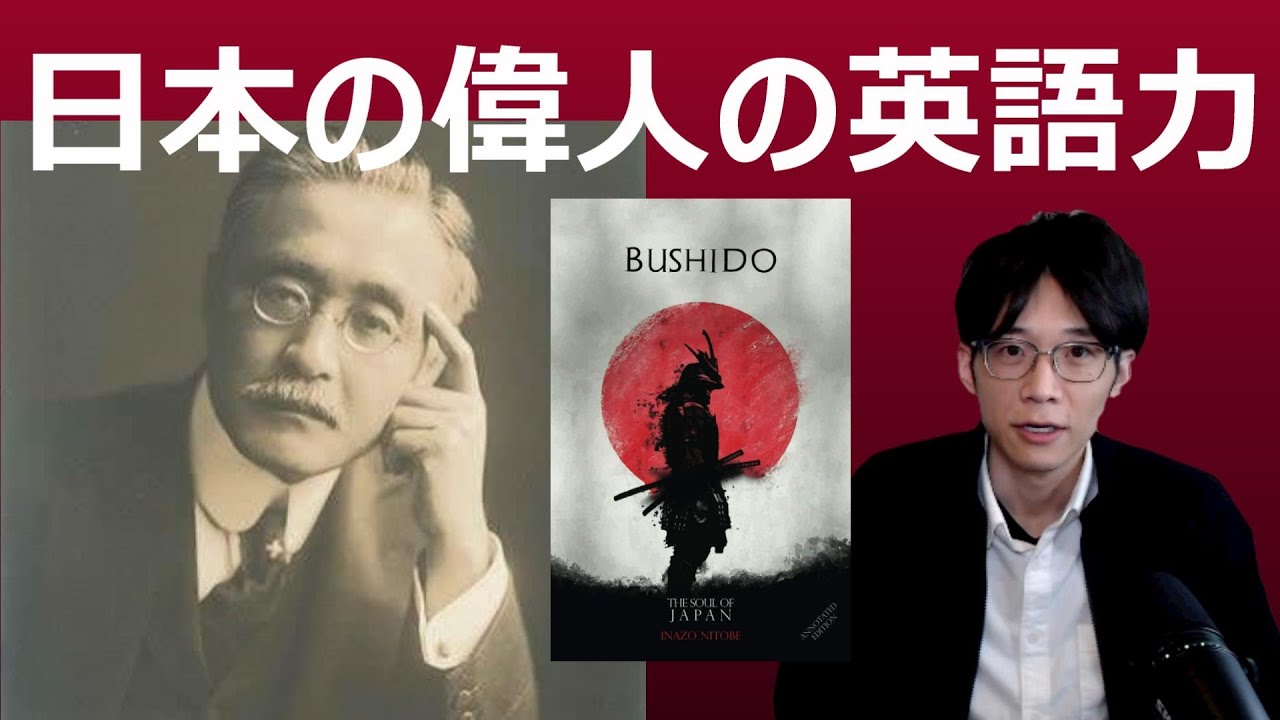
【日本の文化を世界に発信】新渡戸稲造の英文を読んでみた結果...

アイキャッチ画像
単元: #英語(高校生)#英文解釈
指導講師: 英語ファイル / eigophile
問題文全文(内容文):
新渡戸稲造さんが世界に日本の文化を発信するために書いた英文を読みます。

英文の題名であるBUSHIDO(武士道)を文中では何と例えているでしょうか。
世界だけではなく日本人をも魅了する、彼が書いた美しい文章を見てみましょう。
この動画を見る 

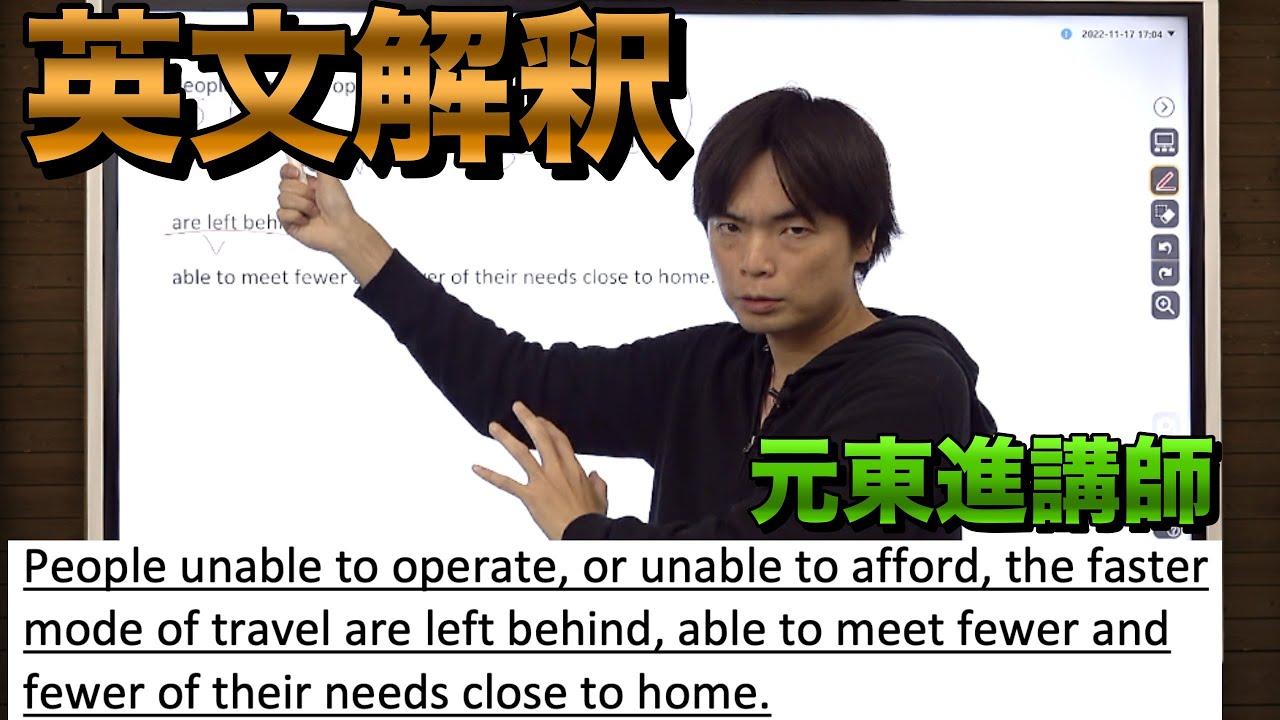
元東進講師が全力英文解釈講義【青山学院大学22年英語】

アイキャッチ画像
単元: #英語(高校生)#英文解釈#大学入試過去問(英語)#学校別大学入試過去問解説(英語)
指導講師: Morite2 English Channel
問題文全文(内容文):
2022年度青山学院大学の英語入試を解説します。

以下の問題の( )内の英文を解釈してみましょう。
Discussions of urban mobility often focus on travel speeds: enabling people to travel significant distances in short periods of time. This focus is mistaken. This history of cities shows that as travel speeds increase, our cities spread out. We end up spending as much time traveling as before, only at faster speeds over longer distances. (People unable to operate, or unable to afford, the faster mode of travel are left behind, able to meet fewer and fewer of their needs close to home.)
この動画を見る 
トップへ戻る