

 中3英語
中3英語
 中3英語
中3英語
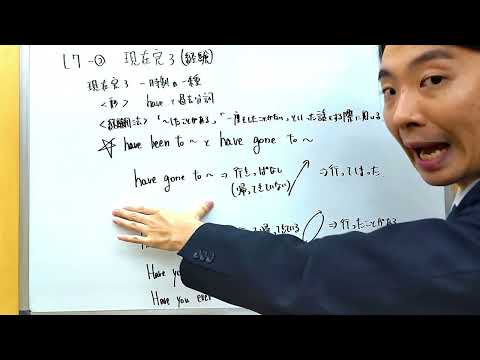
Lesson7-2 NT Stage2 3rd Edition【シュン・ヒノハラがていねいに解説】
単元:
#英語(中学生)#英語(高校生)#英文法#中3英語#時制#現在完了(継続、経験、完了・結果)
教材:
#NT ENGLISH SERIES#Third Edition Stage2#Lesson7#中高教材
指導講師:
理数個別チャンネル
問題文全文(内容文):
今回は現在完了(経験用法)の解説です。テスト最頻出のhave been to/ have gone toの違いなどについても解説しています。
使用例文・表現
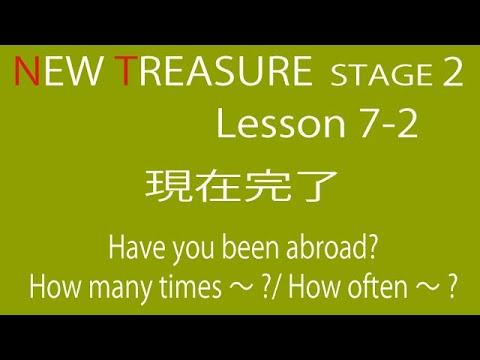
Have you been abroad?
How many times~?/ How often~?
have never seen before
この動画を見る
今回は現在完了(経験用法)の解説です。テスト最頻出のhave been to/ have gone toの違いなどについても解説しています。
使用例文・表現
Have you been abroad?
How many times~?/ How often~?
have never seen before
【英語】Lesson7-2 Stage2 【シュン・ヒノハラがていねいに解説】
単元:
#英語(中学生)#中3英語#現在完了(継続、経験、完了・結果)
指導講師:
理数個別チャンネル
問題文全文(内容文):
今回は現在完了(経験用法)の解説です。テスト最頻出のhave been to/ have gone toの違いなどについても解説しています。
この動画を見る
今回は現在完了(経験用法)の解説です。テスト最頻出のhave been to/ have gone toの違いなどについても解説しています。
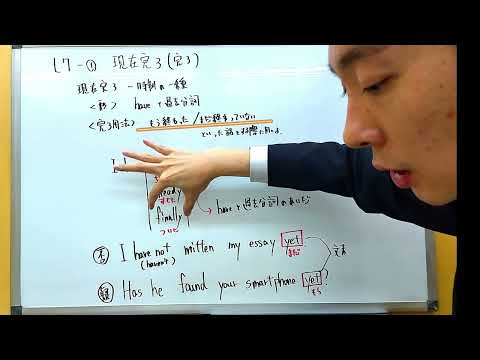
Lesson7-1 NT Stage2 3rd Edition【シュン・ヒノハラがていねいに解説】
単元:
#英語(中学生)#中3英語#現在完了(継続、経験、完了・結果)
教材:
#NT ENGLISH SERIES#Third Edition Stage2#Lesson7#中高教材
指導講師:
理数個別チャンネル
問題文全文(内容文):
今回は現在完了についての解説です。現在完了という時制の紹介から入り、その後完了時制の解説へと移っていきます。混同しやすい過去時制との違いについても解説しています。
使用英文
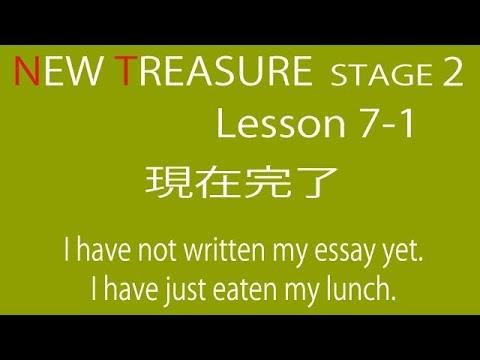
I have not written my essay yet.
I have just eaten my lunch.
この動画を見る
今回は現在完了についての解説です。現在完了という時制の紹介から入り、その後完了時制の解説へと移っていきます。混同しやすい過去時制との違いについても解説しています。
使用英文
I have not written my essay yet.
I have just eaten my lunch.
【英語】Lesson7 Stage2【シュン・ヒノハラがていねいに解説】
単元:
#英語(中学生)#中3英語#現在完了(継続、経験、完了・結果)
指導講師:
理数個別チャンネル
問題文全文(内容文):
今回は現在完了についての解説です。現在完了という時制の紹介から入り、その後完了時制の解説へと移っていきます。混同しやすい過去時制との違いについても解説しています。
この動画を見る
今回は現在完了についての解説です。現在完了という時制の紹介から入り、その後完了時制の解説へと移っていきます。混同しやすい過去時制との違いについても解説しています。
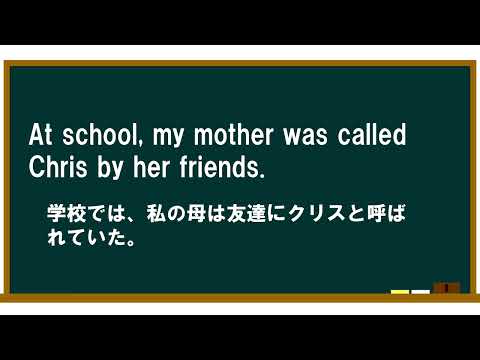
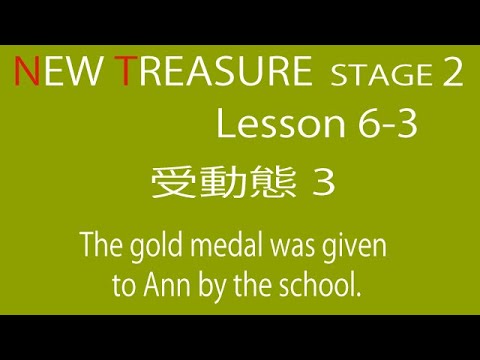
Lesson6-3 NT Stage2 3rd Edition【ぐっさんの英語部屋がていねいに解説】
単元:
#英語(中学生)#英語(高校生)#英文法#中3英語#受動態#受動態
教材:
#NT ENGLISH SERIES#Third Edition Stage2#Lesson6#中高教材
指導講師:
理数個別チャンネル
問題文全文(内容文):
N.T. ENGLISH SERIES Third Edition Stage2 Lesson6-3のkey pointを解説したものになります。
この動画を見る
N.T. ENGLISH SERIES Third Edition Stage2 Lesson6-3のkey pointを解説したものになります。
【英語】Lesson6-3 Stage2 3rd 【ぐっさんの英語部屋がていねいに解説】
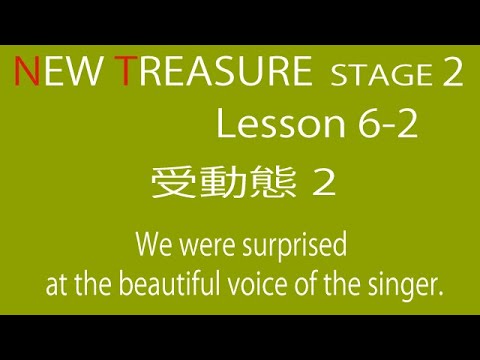
Lesson6-2 NT Stage2 3rd Edition【ぐっさんの英語部屋がていねいに解説】
単元:
#英語(中学生)#英語(高校生)#英文法#中3英語#受動態#受動態
教材:
#NT ENGLISH SERIES#Third Edition Stage2#Lesson6#中高教材
指導講師:
理数個別チャンネル
問題文全文(内容文):
N.T. ENGLISH SERIES Third Edition Stage2 Lesson6-2のkey pointを解説したものになります。
この動画を見る
N.T. ENGLISH SERIES Third Edition Stage2 Lesson6-2のkey pointを解説したものになります。
【英語】Lesson6-2 Stage2 【ぐっさんの英語部屋がていねいに解説】
単元:
#英語(中学生)#中3英語#受動態
指導講師:
理数個別チャンネル
問題文全文(内容文):
N.T. ENGLISH SERIES Third Edition Stage2 Lesson6-2のkey pointを解説したものになります。
この動画を見る
N.T. ENGLISH SERIES Third Edition Stage2 Lesson6-2のkey pointを解説したものになります。
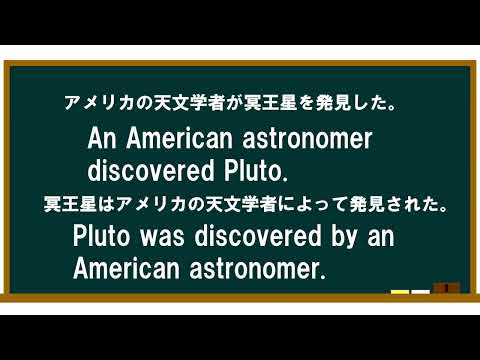
Lesson6-1 NT Stage2 3rd Edition【ぐっさんの英語部屋がていねいに解説】
単元:
#英語(中学生)#英語(高校生)#英文法#中3英語#受動態#受動態
教材:
#NT ENGLISH SERIES#Third Edition Stage2#Lesson6#中高教材
指導講師:
理数個別チャンネル
問題文全文(内容文):
N.T. ENGLISH SERIES Third Edition Stage2 Lesson6-1のkey pointを解説したものになります。
この動画を見る
N.T. ENGLISH SERIES Third Edition Stage2 Lesson6-1のkey pointを解説したものになります。
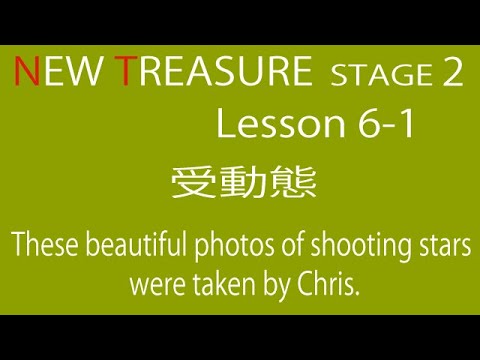
【英語】Lesson6-1 Stage2 【ぐっさんの英語部屋がていねいに解説】
単元:
#英語(中学生)#中3英語#受動態
指導講師:
理数個別チャンネル
問題文全文(内容文):
N.T. ENGLISH SERIES Third Edition Stage2 Lesson6-1のkey pointを解説したものになります。
この動画を見る
N.T. ENGLISH SERIES Third Edition Stage2 Lesson6-1のkey pointを解説したものになります。
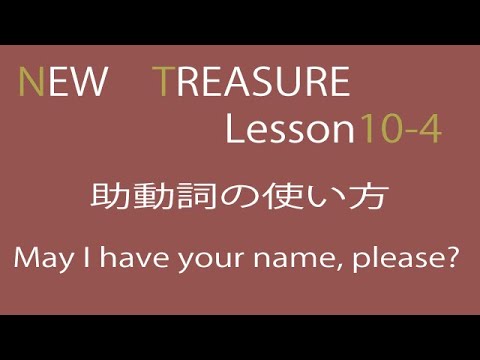
Lesson10-4 ニュートレジャー Stage1 3rd Edition【ぐっさんの英語部屋がていねいに解説】
単元:
#英語(中学生)#中3英語#未来の文・助動詞(will,be going to,can,could,may,might,must,have to,should,shall,would,had better,used to,ought to)
指導講師:
理数個別チャンネル
問題文全文(内容文):
N.T. ENGLISH SERIES Third Edition Stage1 Lesson10-4のkey pointを解説したものになります。
この動画を見る
N.T. ENGLISH SERIES Third Edition Stage1 Lesson10-4のkey pointを解説したものになります。
Lesson1-1 NT Stage3 3rd Edition【ダスカロイがていねいに解説】
単元:
#英語(中学生)#中1英語#中2英語#中3英語#現在進行形(肯定文・否定文・疑問文)#規則動詞の過去形(肯定文・否定文・疑問文)#不規則動詞の過去形(肯定文・否定文・疑問文)#be動詞の過去形(肯定文・否定文・疑問文)#過去進行形(肯定文・否定文・疑問文)#未来の文(肯定文・否定文・疑問文)#現在完了(継続、経験、完了・結果)
教材:
#NT ENGLISH SERIES#中高教材#Third Edition Stage3#Lesson1
指導講師:
理数個別チャンネル
問題文全文(内容文):
N.T. Third Edition Stage3 Lesson1-1のKeyPoint例文解説です。
【使用例文】
① We have mathematics in the second period on Mondays.
② Japan is a country surrounded by the sea.
③ We leave for Kyoto on the school trip next October.
④ John and I had lunch at the cafeteria yesterday.
⑤ I am doing research for the next social studies class.
⑥ My brother is taking important examinations next week.
⑦ I will study geography and physics in high school.
⑧ Thomas has already left for school.
⑨ Has he ever been to Canada? –Yes, he has. / No, he hasn’t.
⑩ He has been waiting for a taxi for twenty minutes.
⑪ How long has he been working as a pharmacist?
この動画を見る
N.T. Third Edition Stage3 Lesson1-1のKeyPoint例文解説です。
【使用例文】
① We have mathematics in the second period on Mondays.
② Japan is a country surrounded by the sea.
③ We leave for Kyoto on the school trip next October.
④ John and I had lunch at the cafeteria yesterday.
⑤ I am doing research for the next social studies class.
⑥ My brother is taking important examinations next week.
⑦ I will study geography and physics in high school.
⑧ Thomas has already left for school.
⑨ Has he ever been to Canada? –Yes, he has. / No, he hasn’t.
⑩ He has been waiting for a taxi for twenty minutes.
⑪ How long has he been working as a pharmacist?
Lesson9-2 NT Stage2 3rd Edition【ダスカロイがていねいに解説】
単元:
#英語(中学生)#中3英語#分詞(現在分詞の形容詞的用法、過去分詞の形容詞的用法)
教材:
#NT ENGLISH SERIES#Third Edition Stage2#Lesson9#中高教材
指導講師:
理数個別チャンネル
問題文全文(内容文):
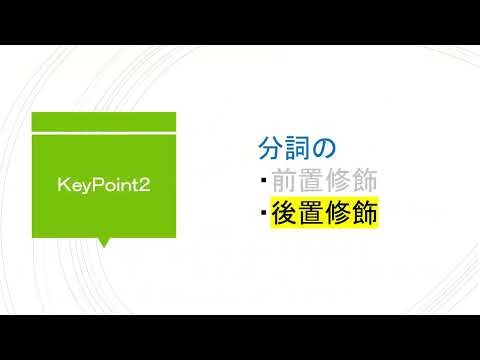
N.T. Third Edition Stage2 Lesson9-2のKeyPoint例文解説です。
【使用例文】
① We got up early to see the rising sun on New Year’s day.
② Wash these lettuce leaves in running water, please.
③ Which would you like better for breakfast, a boiled egg or scrambled eggs?
④ The police officer found the stolen bike near the station.
⑤ The girl sitting on the left side is Lisa.
⑥ Who was the tall boy running in the schoolyard?
⑦ I love the meals served in our school.
⑧ Can everybody see the figure drawn on the blackboard?"
この動画を見る
N.T. Third Edition Stage2 Lesson9-2のKeyPoint例文解説です。
【使用例文】
① We got up early to see the rising sun on New Year’s day.
② Wash these lettuce leaves in running water, please.
③ Which would you like better for breakfast, a boiled egg or scrambled eggs?
④ The police officer found the stolen bike near the station.
⑤ The girl sitting on the left side is Lisa.
⑥ Who was the tall boy running in the schoolyard?
⑦ I love the meals served in our school.
⑧ Can everybody see the figure drawn on the blackboard?"
Lesson9-2 ニュートレジャー Stage2 3rd Edition【ダスカロイがていねいに解説】
単元:
#英語(中学生)#中3英語#関係代名詞(主格、目的格、所有格、thatの用法、前置詞+関係代名詞)
指導講師:
理数個別チャンネル
問題文全文(内容文):
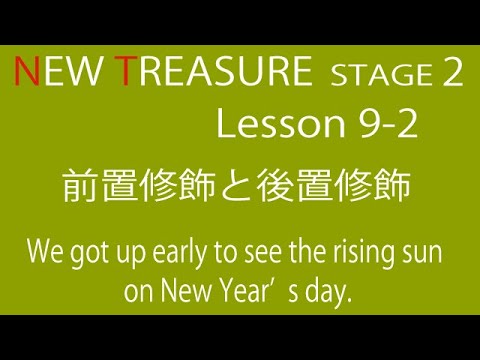
N.T. Third Edition Stage2 Lesson9-2のKeyPoint例文解説です。
この動画を見る
N.T. Third Edition Stage2 Lesson9-2のKeyPoint例文解説です。
Lesson10-3 NT Stage1 3rd Edition【ぐっさんの英語部屋がていねいに解説】
単元:
#英語(中学生)#英語(高校生)#英文法#中1英語#中2英語#中3英語#時制#助動詞#canの文(肯定文・否定文・疑問文)#未来の文(肯定文・否定文・疑問文)#can、could、be able to、may、must、have to、should、助動詞を使った表現#未来の文・助動詞(will,be going to,can,could,may,might,must,have to,should,shall,would,had better,used to,ought to)
教材:
#NT ENGLISH SERIES#Third Edition Stage1#Lesson10#中高教材
指導講師:
理数個別チャンネル
問題文全文(内容文):
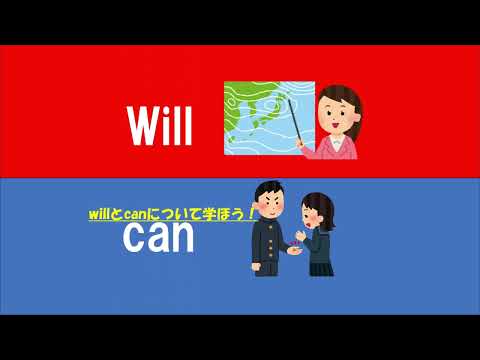
N.T. ENGLISH SERIES Third Edition Stage1 Lesson10-3のkeypointの解説動画になります。
この動画を見る
N.T. ENGLISH SERIES Third Edition Stage1 Lesson10-3のkeypointの解説動画になります。
Lesson10-3 ニュートレジャー Stage1 3rd Edition【ぐっさんの英語部屋がていねいに解説】
単元:
#英語(中学生)#中3英語#未来の文・助動詞(will,be going to,can,could,may,might,must,have to,should,shall,would,had better,used to,ought to)
指導講師:
理数個別チャンネル
問題文全文(内容文):
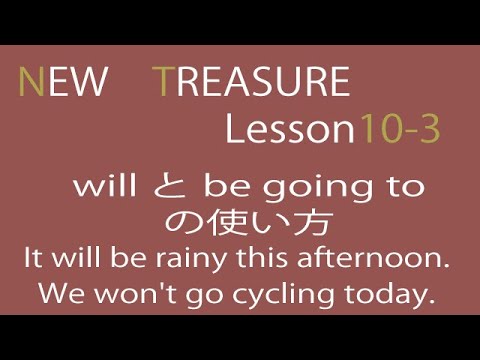
N.T. ENGLISH SERIES Third Edition Stage1 Lesson10-3のkeypointの解説動画になります。
この動画を見る
N.T. ENGLISH SERIES Third Edition Stage1 Lesson10-3のkeypointの解説動画になります。
Lesson2-2 ニュートレジャー Stage3 3rd Edition【岡ちゃん先生がていねいに解説】
単元:
#英語(中学生)#中3英語#未来の文・助動詞(will,be going to,can,could,may,might,must,have to,should,shall,would,had better,used to,ought to)
指導講師:
理数個別チャンネル
問題文全文(内容文):
N.T. SERIES Third Edition Stage3 Lesson2-2 の解説動画です。
can /couldの推量で使われる意味、またcould / was(were)able to の「できた」の違い
will / would の「習慣・意思・性質」の意味、would / used to の違いについても解説します。
この動画を見る
N.T. SERIES Third Edition Stage3 Lesson2-2 の解説動画です。
can /couldの推量で使われる意味、またcould / was(were)able to の「できた」の違い
will / would の「習慣・意思・性質」の意味、would / used to の違いについても解説します。
Lesson11-3 NT Stage2 3rd Edition【岡ちゃん先生がていねいに解説】
単元:
#英語(中学生)#英語(高校生)#英文法#中3英語#不定詞#不定詞(疑問詞+to,It~for to,ask(tell,want)O to,too~to,enough~to,not to)
教材:
#NT ENGLISH SERIES#Third Edition Stage2#Lesson11#中高教材
指導講師:
理数個別チャンネル
問題文全文(内容文):
Lesson11-3の文法解説動画です。
too ~toV構文、so~that SV構文、~enough to V 構文の解説とそれぞれの間違いやすいポイントについて解説をしております。
①Betty was too shy to talk to the teacher.
②She was too nervous to ask a question.
③The teacher spoke too fast for her to understand.
④The homework was too difficult for her to finish in a day.
⑤This tea is so hot that I can't drink it.
⑥The traffic was so busy that I couldn't be in time for the class.
⑦My little brother is old enough to walk to our grandparents' house.
⑧I left home early enough to be in time for school.
⑨This bag isn't big enough for me to pack all the clothes I need for travel.
この動画を見る
Lesson11-3の文法解説動画です。
too ~toV構文、so~that SV構文、~enough to V 構文の解説とそれぞれの間違いやすいポイントについて解説をしております。
①Betty was too shy to talk to the teacher.
②She was too nervous to ask a question.
③The teacher spoke too fast for her to understand.
④The homework was too difficult for her to finish in a day.
⑤This tea is so hot that I can't drink it.
⑥The traffic was so busy that I couldn't be in time for the class.
⑦My little brother is old enough to walk to our grandparents' house.
⑧I left home early enough to be in time for school.
⑨This bag isn't big enough for me to pack all the clothes I need for travel.
Lesson11-3 ニュートレジャー Stage2 3rd Edition【岡ちゃん先生がていねいに解説】
単元:
#英語(中学生)#中3英語#現在完了(継続、経験、完了・結果)#不定詞(疑問詞+to,It~for to,ask(tell,want)O to,too~to,enough~to,not to)
指導講師:
理数個別チャンネル
問題文全文(内容文):
ニュートレジャー Stage2 3rd Edition Lesson11-3の文法解説動画です。
too ~toV構文、so~that SV構文、~enough to V 構文の解説とそれぞれの間違いやすいポイントについて解説をしております。
この動画を見る
ニュートレジャー Stage2 3rd Edition Lesson11-3の文法解説動画です。
too ~toV構文、so~that SV構文、~enough to V 構文の解説とそれぞれの間違いやすいポイントについて解説をしております。
Lesson12-1 NT Stage2 3rd Edition【YAKISOBA先生がていねいに解説】
単元:
#英語(中学生)#英語(高校生)#英文法#中3英語#話法の転換#間接疑問文
教材:
#NT ENGLISH SERIES#Third Edition Stage2#Lesson12#中高教材
指導講師:
理数個別チャンネル
問題文全文(内容文):
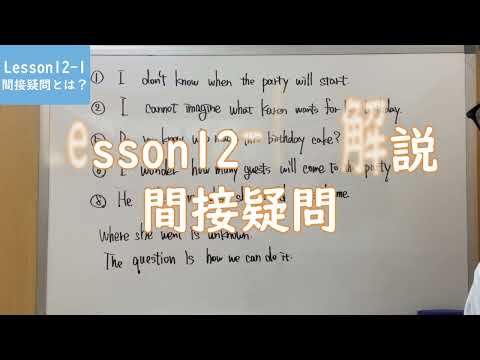
N.T. Lesson12-1(間接疑問)の解説動画です。
間接疑問の特徴を解説します。
例文
I don't know when the party will start.
I cannot imagine what Karen wants for her birthday.
Do you know who made this birthday cake?
I wonder how many guests will come to the party.
He asked me when she would come home.
埋め込み文、主語と動詞の並び順、時制の一致、疑問詞が主語となるパターン、間接疑問が主語・補語となるもの
この動画を見る
N.T. Lesson12-1(間接疑問)の解説動画です。
間接疑問の特徴を解説します。
例文
I don't know when the party will start.
I cannot imagine what Karen wants for her birthday.
Do you know who made this birthday cake?
I wonder how many guests will come to the party.
He asked me when she would come home.
埋め込み文、主語と動詞の並び順、時制の一致、疑問詞が主語となるパターン、間接疑問が主語・補語となるもの
Lesson12-1 ニュートレジャー Stage2 3rd Edition【YAKISOBA先生がていねいに解説】
単元:
#英語(中学生)#中3英語#間接疑問文
指導講師:
理数個別チャンネル
問題文全文(内容文):
ニュートレジャー Stage2 3rd Edition Lesson12-1(間接疑問)の解説動画です。
間接疑問の特徴を解説します。
この動画を見る
ニュートレジャー Stage2 3rd Edition Lesson12-1(間接疑問)の解説動画です。
間接疑問の特徴を解説します。
Lesson10-3 ニュートレジャー Stage2 3rd Edition【シュン・ヒノハラがていねいに解説】
単元:
#英語(中学生)#中3英語#関係代名詞(主格、目的格、所有格、thatの用法、前置詞+関係代名詞)
指導講師:
理数個別チャンネル
問題文全文(内容文):
ニュートレジャー Stage2 3rd Edition Lesson10-3 関係代名詞のthatを選択するケースについての解説動画です。
10-2までと比べると重要度は下がりますが、その中でもテスト・入試に出されやすいケースについて詳しく解説しています。
この動画を見る
ニュートレジャー Stage2 3rd Edition Lesson10-3 関係代名詞のthatを選択するケースについての解説動画です。
10-2までと比べると重要度は下がりますが、その中でもテスト・入試に出されやすいケースについて詳しく解説しています。
Lesson11-2 ニュートレジャー Stage2 3rd Edition【岡ちゃん先生がていねいに解説】
単元:
#英語(中学生)#中3英語#不定詞(疑問詞+to,It~for to,ask(tell,want)O to,too~to,enough~to,not to)
指導講師:
理数個別チャンネル
問題文全文(内容文):
ニュートレジャー Stage2 3rd Edition Lesson11-2の解説動画です。
疑問詞 to doの特徴を解説します。
この動画を見る
ニュートレジャー Stage2 3rd Edition Lesson11-2の解説動画です。
疑問詞 to doの特徴を解説します。
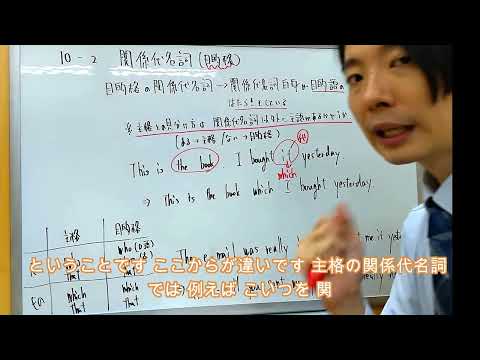
Lesson10-2 NT Stage2 3rd Edition【シュン・ヒノハラがていねいに解説】
単元:
#英語(中学生)#英語(高校生)#英文法#中3英語#関係代名詞・関係副詞・複合関係詞#関係代名詞(主格、目的格、所有格、thatの用法、前置詞+関係代名詞)
教材:
#NT ENGLISH SERIES#Third Edition Stage2#Lesson10#中高教材
指導講師:
理数個別チャンネル
問題文全文(内容文):
Lesson 10-2関係代名詞の目的格についての解説です。目的格の省略や、先行詞などの用語、主格目的格の見分け方などについても解説しています。
例文
This is the book which I bought yesterday.
これは私が昨日買った本です。
The e-mail you sent me yesterday was really interesting.
昨日私に送ってくれたメールはとても面白かった。
この動画を見る
Lesson 10-2関係代名詞の目的格についての解説です。目的格の省略や、先行詞などの用語、主格目的格の見分け方などについても解説しています。
例文
This is the book which I bought yesterday.
これは私が昨日買った本です。
The e-mail you sent me yesterday was really interesting.
昨日私に送ってくれたメールはとても面白かった。
Lesson10-1 NT Stage2 3rd Edition【シュン・ヒノハラがていねいに解説】
単元:
#英語(中学生)#英語(高校生)#英文法#中3英語#関係代名詞・関係副詞・複合関係詞#関係代名詞(主格、目的格、所有格、thatの用法、前置詞+関係代名詞)
教材:
#NT ENGLISH SERIES#Third Edition Stage2#Lesson10#中高教材
指導講師:
理数個別チャンネル
問題文全文(内容文):
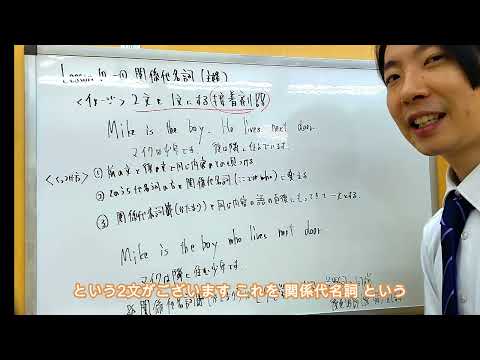
Lesson10-1 関係代名詞(主格)についての解説動画です。後置修飾・先行詞・格といった用語についても解説しています。
例文
Mike is the boy who lives next door.
I'm looking for the bus which goes to Nagano.
The book which was written by him is interesting.
この動画を見る
Lesson10-1 関係代名詞(主格)についての解説動画です。後置修飾・先行詞・格といった用語についても解説しています。
例文
Mike is the boy who lives next door.
I'm looking for the bus which goes to Nagano.
The book which was written by him is interesting.
Lesson10-2 ニュートレジャー Stage2 3rd Edition【シュン・ヒノハラがていねいに解説】
単元:
#英語(中学生)#中3英語#関係代名詞(主格、目的格、所有格、thatの用法、前置詞+関係代名詞)
指導講師:
理数個別チャンネル
問題文全文(内容文):
ニュートレジャー Stage2 3rd Edition Lesson 10-2関係代名詞の目的格についての解説です。目的格の省略や、先行詞などの用語、主格目的格の見分け方などについても解説しています。
例文
This is the book which I bought yesterday.
これは私が昨日買った本です。
The e-mail you sent me yesterday was really interesting.
昨日私に送ってくれたメールはとても面白かった。
この動画を見る
ニュートレジャー Stage2 3rd Edition Lesson 10-2関係代名詞の目的格についての解説です。目的格の省略や、先行詞などの用語、主格目的格の見分け方などについても解説しています。
例文
This is the book which I bought yesterday.
これは私が昨日買った本です。
The e-mail you sent me yesterday was really interesting.
昨日私に送ってくれたメールはとても面白かった。
Lesson10-1 ニュートレジャー Stage2 3rd Edition【シュン・ヒノハラがていねいに解説】
単元:
#英語(中学生)#中3英語#関係代名詞(主格、目的格、所有格、thatの用法、前置詞+関係代名詞)
指導講師:
理数個別チャンネル
問題文全文(内容文):
ニュートレジャー Stage2 3rd Edition Lesson10-1 関係代名詞(主格)についての解説動画です。後置修飾・先行詞・格といった用語についても解説しています。
例文
Mike is the boy who lives next door.
I'm looking for the bus which goes to Nagano.
The book which was written by him is interesting.
この動画を見る
ニュートレジャー Stage2 3rd Edition Lesson10-1 関係代名詞(主格)についての解説動画です。後置修飾・先行詞・格といった用語についても解説しています。
例文
Mike is the boy who lives next door.
I'm looking for the bus which goes to Nagano.
The book which was written by him is interesting.
Lesson10-1 NT Stage1 3rd Edition【しまだじろうがていねいに解説】
単元:
#英語(中学生)#英語(高校生)#英文法#品詞と文型、句と節#中2英語#中3英語#時制#助動詞#未来の文(肯定文・否定文・疑問文)#can、could、be able to、may、must、have to、should、助動詞を使った表現#未来の文・助動詞(will,be going to,can,could,may,might,must,have to,should,shall,would,had better,used to,ought to)
教材:
#NT ENGLISH SERIES#Third Edition Stage1#Lesson10#中高教材
指導講師:
理数個別チャンネル
問題文全文(内容文):
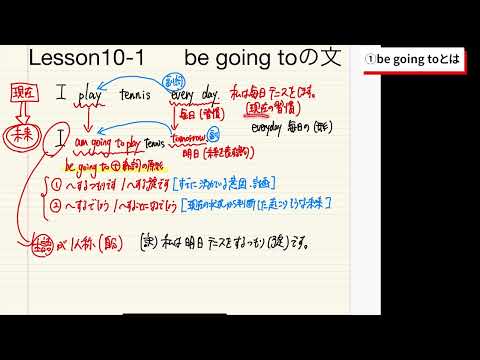
be going toの使い方、現在と未来の違い、未来を表す語句の覚え方、形式主語とは何かについて解説をしています。
この動画を見る
be going toの使い方、現在と未来の違い、未来を表す語句の覚え方、形式主語とは何かについて解説をしています。
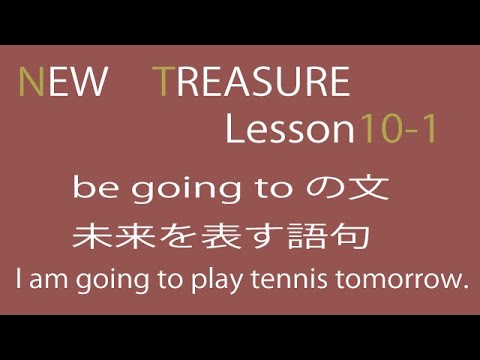
Lesson10-1 ニュートレジャー Stage1 3rd Edition【しまだじろうがていねいに解説】
単元:
#英語(中学生)#中3英語#未来の文・助動詞(will,be going to,can,could,may,might,must,have to,should,shall,would,had better,used to,ought to)
指導講師:
理数個別チャンネル
問題文全文(内容文):
be going toの使い方、現在と未来の違い、未来を表す語句の覚え方、形式主語とは何かについて解説をしています。
この動画を見る
be going toの使い方、現在と未来の違い、未来を表す語句の覚え方、形式主語とは何かについて解説をしています。
ネイティブは「受動態」を使って英語を丁寧にする!(Please以外です)
単元:
#英語(中学生)#英語(高校生)#英文法#中3英語#受動態#受動態
指導講師:
hiro式・英語上達法
問題文全文(内容文):
ネイティブが丁寧な言い回しをする際に使う、「please」以外の表現を解説します。
今回は受動態を用いて、英文を作ってみましょう。
この動画を見る
ネイティブが丁寧な言い回しをする際に使う、「please」以外の表現を解説します。
今回は受動態を用いて、英文を作ってみましょう。